Storage & Milling Best Practices: Keeping Bulk Rice Premium From Mill To Plate
Practical guidance on moisture control, pest management, packaging choice, and warehouse rotation — so the rice you receive cooks as well as the day it was milled.
It Starts At The Mill
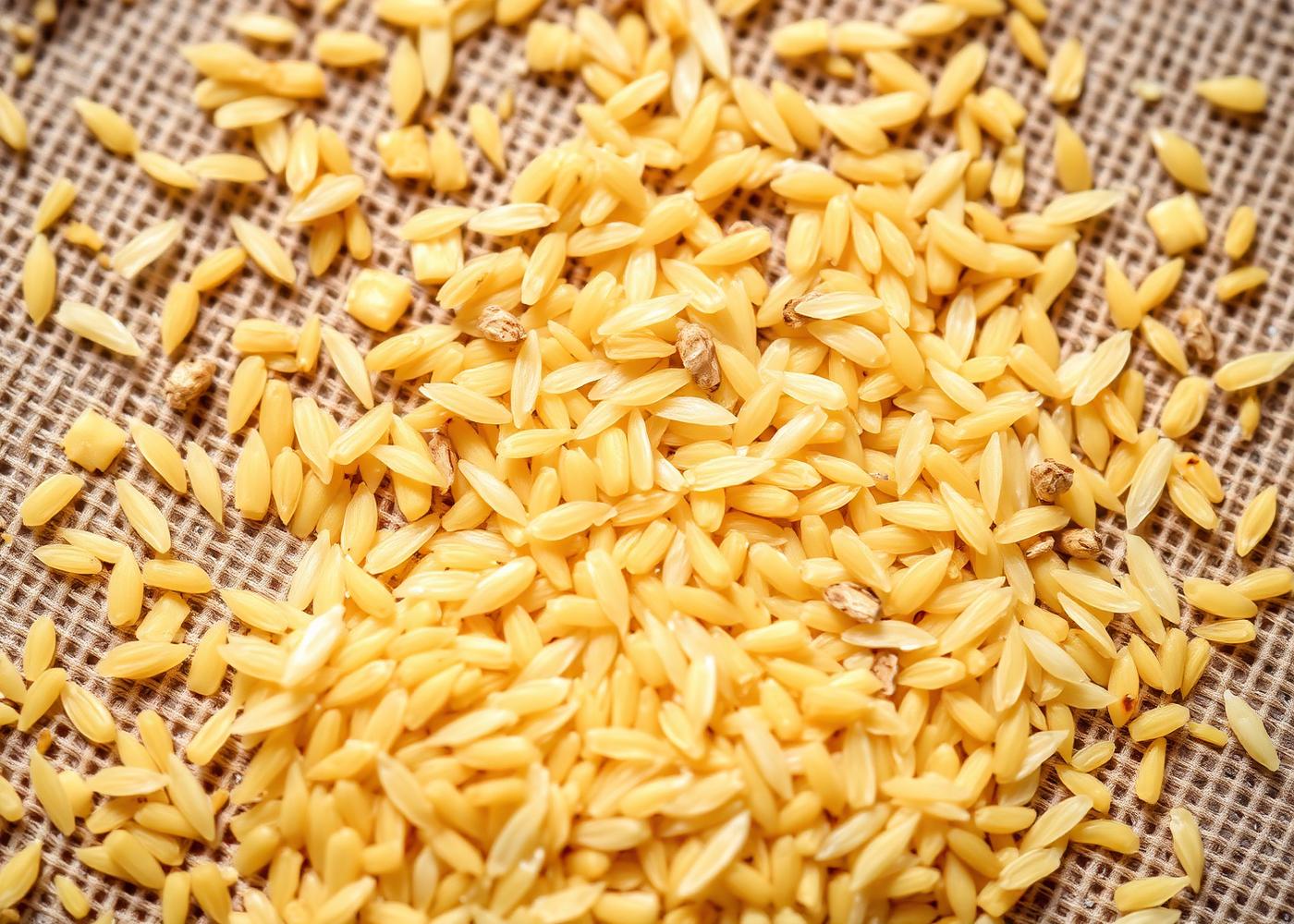
Modern milling lines use sortex color sorters, length graders, and de-stoners to ensure consistent grain length, low broken-rice content, and freedom from foreign matter. Ask your supplier for milling outturn (MOT) data per lot.
Moisture: The Silent Killer
Rice should be milled at 12–13% moisture. Above 14%, mold and weevil risk climbs sharply. Below 11%, grains turn brittle and broken-rice percentage rises during transport.
Packaging Choices
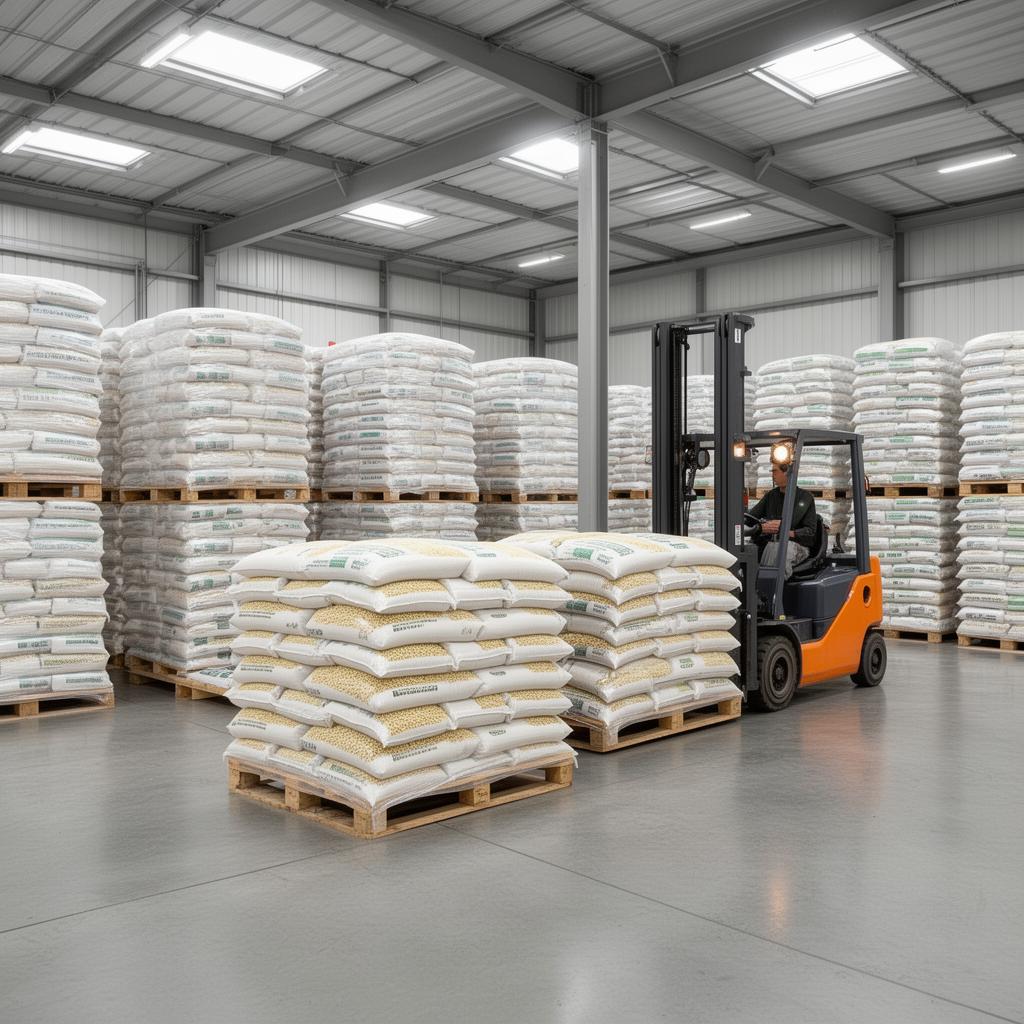
PP woven sacks with PE liner are the standard for bulk export — durable, breathable, and stackable. Jute is great for premium retail. Vacuum-packed 5 kg pillow packs extend shelf life for foodservice.
Warehouse Discipline
First-In-First-Out (FIFO) rotation, pallet racking off the floor, temperature/humidity logging, and quarterly fumigation cycles are the four habits that separate professional rice warehouses from amateur ones.